
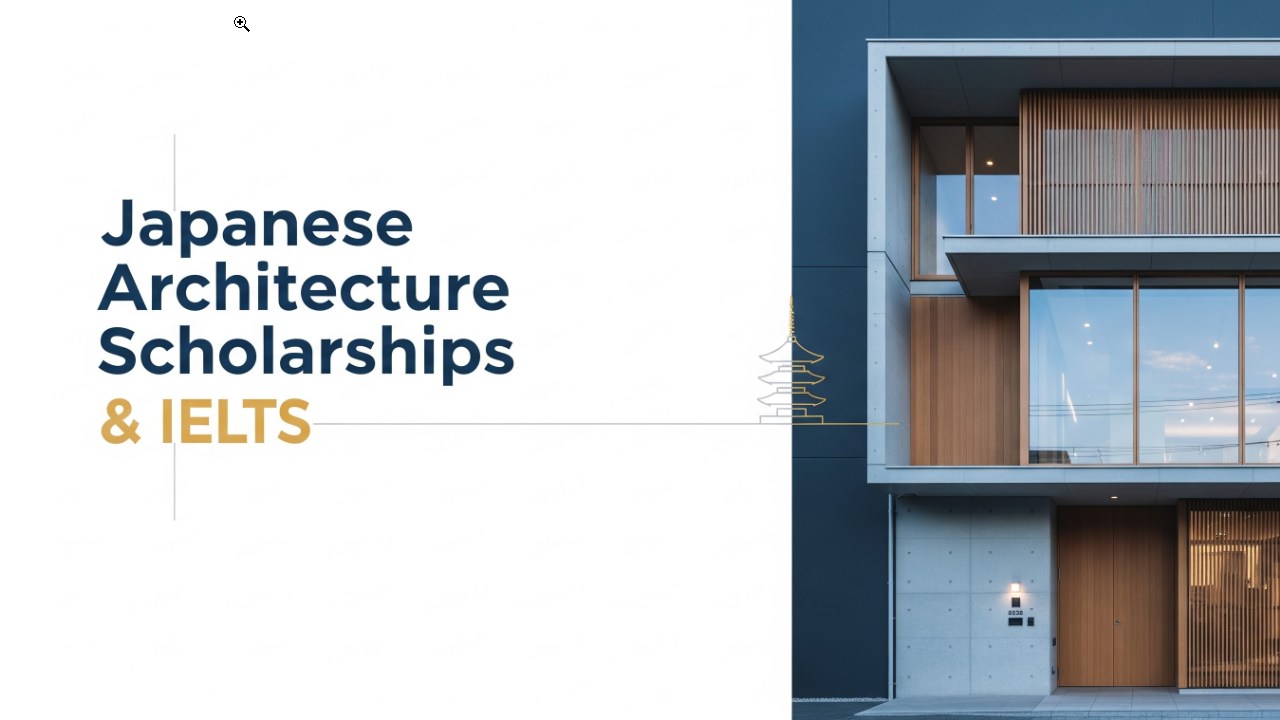
Japan is one of the world’s most inspiring places to study architecture—where innovation, tradition, design, and technology meet in truly unique ways. From ancient temples to cutting-edge skyscrapers, Japan offers an environment that fuels creativity and architectural thinking. If you’re planning to apply for architecture programs in Japan, securing scholarships and preparing for IELTS can give you a strong start. This guide walks you through everything you need to know, in simple, practical steps.
Why Study Architecture in Japan?
Japan is globally respected for its architectural style—minimalist design, sustainable engineering, earthquake-resistant structures, and thoughtful urban planning. Studying in Japan means learning from leading architects, exploring real-world design problems, and experiencing a culture where aesthetics and functionality blend naturally. Whether you’re interested in traditional Japanese design or futuristic architecture, Japan provides a rich learning environment.
Top Universities for Architecture in Japan
Several Japanese universities are known for strong architecture programs, including:
-
University of Tokyo
-
Kyoto University
-
Tokyo Institute of Technology
-
Waseda University
-
Keio University
-
Osaka University
When exploring programs, consider faculty expertise, studio design opportunities, lab facilities, and international research partnerships. Some programs offer English-taught tracks, while others require strong Japanese proficiency.
Japanese Architecture Scholarships for International Students
Japan offers generous scholarships to attract talented architecture students. Popular options include:
-
MEXT (Monbukagakusho) Scholarship – full tuition + monthly stipend + travel allowance
-
JASSO Scholarships – support for international undergraduate and graduate students
-
University-specific architecture scholarships
-
Private foundations focused on design, innovation, and cultural studies
Many of these awards support bachelor’s, master’s, and research programs. Scholarship committees often look for creativity, academic excellence, and a strong portfolio that reflects your design skills.
Preparing a Strong Application and Portfolio
Architecture admissions in Japan typically require a portfolio showcasing your design thinking, creativity, and understanding of space. Make sure your portfolio includes:
-
Sketches and conceptual designs
-
3D models or digital architecture work
-
Completed building or interior projects
-
Research or design briefs
-
A clear artistic statement
For scholarships, pair your portfolio with a compelling motivation letter explaining your interest in Japanese architecture, your career goals, and how Japan’s design culture inspires you.
IELTS Requirements for Architecture Programs
Many Japanese universities—especially those offering English-taught programs—require IELTS scores. While requirements vary, typical expectations include:
-
IELTS 6.0–7.0 for undergraduate admissions
-
IELTS 6.5–7.0 for graduate or research programs
A strong IELTS score helps demonstrate that you can participate in design critiques, write reports, collaborate in group projects, and present architectural ideas clearly.
IELTS Prep Tips for Architecture Students
Architecture students benefit from a slightly different IELTS prep approach. You’ll want strong English communication skills for design reviews, presentations, and research. Focus on:
-
Listening to design documentaries, architecture talks, and city-planning lectures
-
Reading architecture magazines, journals, and case studies
-
Practicing writing about space, design choices, and sustainability
-
Building vocabulary related to materials, structures, and urban planning
These skills help you score higher on IELTS and prepare for real classroom discussions in Japan.
Building Language Skills for Life in Japan
Even if your architecture program is taught in English, basic Japanese skills make daily life easier and enhance your study experience. Understanding Japanese terminology helps you navigate architecture topics such as:
-
Traditional building materials
-
Local construction techniques
-
Cultural design principles
-
Urban planning concepts unique to Japan
Learning Japanese also helps with internships, studio work, and field visits.
Preparing for Student Visa Requirements
After securing admission, you’ll apply for the D-2 Student Visa for Japan. Requirements usually include:
-
Certificate of Admission
-
Financial documents
-
Valid passport
-
Health insurance
-
Completed forms and recent photographs
Strong IELTS scores and scholarship awards strengthen your overall case by showing academic readiness.
Exploring Careers in Architecture After Graduation
A Japanese architecture degree can open doors to careers in:
-
Architectural design firms
-
Landscape or urban planning
-
Sustainability and smart-city development
-
Interior design
-
Construction engineering
-
Cultural heritage restoration
Many graduates apply their Japanese design experience in global firms or pursue advanced research.
Conclusion
Studying architecture in Japan with the help of scholarships and strong IELTS preparation is an exciting and achievable goal. With early planning, a solid portfolio, and consistent language practice, you can position yourself for success in one of the world’s most creative architectural environments. Stay focused, stay inspired, and trust your journey—you’ve got this!